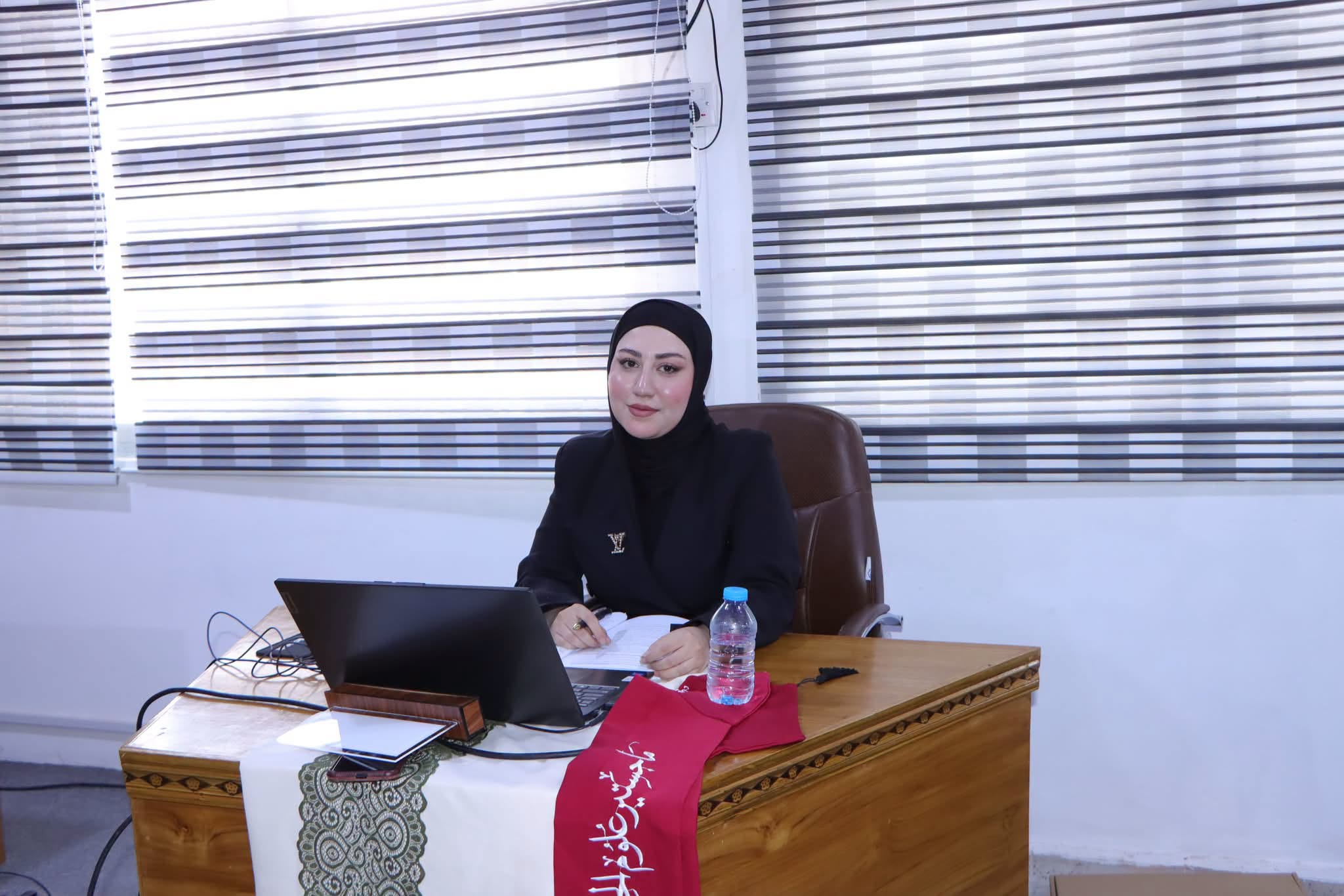
The Department of Chemistry at the College of Education for Pure Sciences examined a master's thesis concerning certain protozoa and parasitic worms affecting sheep in Basra Governorate.
The thesis, presented by researcher Israa Abbas Sabih, aimed to analyze examination results revealing infections with seven types of parasites: four protozoan species (*Sarcocystis fusiformis*, *S. tenella*, *S. arieticanis*, and *Toxoplasma gondii*); one dominant tapeworm species (*Stileisia globipunctata*); the larval stage *Cysticercus tenuicollis*; and a nematode species (*Nematodirus spathiger*, both male and female).
Meat samples were examined to detect protozoan infections—specifically species of the genus *Sarcocystis* and the parasite *Toxoplasma gondii*—due to their status as zoonotic infections (transmissible between animals and humans).
Species of the genus *Sarcocystis* were identified using genetic sequencing techniques. The species identified in this study were registered in GenBank under the following accession numbers: nine isolates belonging to one species, five isolates to another, and one isolate to a third.
The study presents the first molecular record of three *Sarcocystis* species in sheep within Basra Governorate and constitutes the first study to molecularly confirm the presence of *S. fusiformis* in sheep in Iraq.
It was observed that sheep were more susceptible to parasitic infection during cold and moderate months, whereas infection rates declined during hot months; additionally, a significantly higher infection rate (P<0.05) was observed in females compared to males.
Study results indicated that the tapeworm *Stileisia globipunctata* was present throughout most of the study period. Meat inspection results regarding the larval stage (*Cysticercus bovis*) of the beef tapeworm revealed no infections in the current study
 .
.
Important News



viewed most